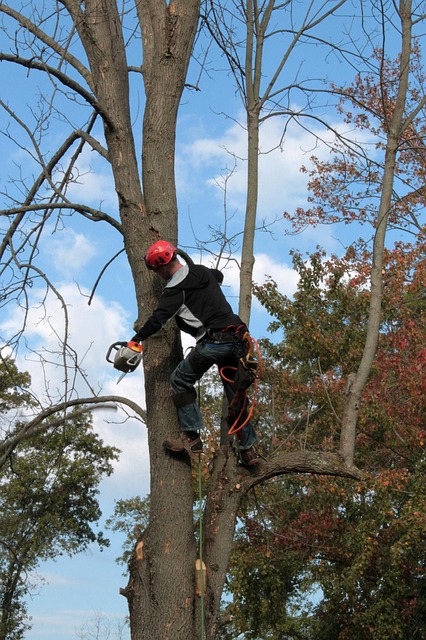
In the face of sudden storms, storm-damaged trees pose a significant risk to both property and safety. Mauldin SC, like many communities, frequently encounters these challenges, necessitating swift and expert action for tree removal. The timely and safe removal of damaged trees and branches is crucial to mitigate hazards and prevent further damage. This article delves into the intricacies of emergency tree removal services in Mauldin SC, highlighting the expertise required to navigate this delicate process effectively. By understanding the importance of prompt action and the specialized skills involved, homeowners can ensure their properties and communities remain safe following severe weather events.
- Assessing Storm-Damaged Trees: Safety First in Mauldin SC
- Identifying Hazardous Branches for Efficient Removal
- Professional Storm-Damaged Tree Branch Removal Service
- Preventing Future Damage: Post-Removal Care and Maintenance Tips
Assessing Storm-Damaged Trees: Safety First in Mauldin SC
In the aftermath of a severe storm, homeowners in Mauldin SC often face the daunting task of assessing damage to their properties, particularly when it comes to storm-damaged trees. Safety should always be the top priority when dealing with these situations. A single misstep could result in serious injury or property harm. Professional tree removal services in Mauldin SC are equipped and trained to navigate these challenges safely. They employ specialized equipment and adhere to strict industry standards for storm-damaged tree branch removal, ensuring both efficiency and security.
Expert arborists begin by meticulously evaluating the scene, identifying immediate hazards like hanging branches or unstable trunks. Advanced safety protocols guide their actions, minimizing risks to themselves and clients. For instance, they may use specialized climbing techniques or advanced pruning tools designed for hazardous conditions. Data from local weather services and damage assessments play a crucial role in determining the best course of action. In severe cases, immediate removal is recommended to prevent further damage or potential harm to nearby structures or individuals.
Once hazards are mitigated, the branch removal process begins. Expert services employ techniques tailored to different tree species and storm-induced damage patterns. This may involve selective pruning to restore structural integrity or entire tree removal if it’s beyond salvage. Client education is another vital aspect; understanding the reasons behind recommended actions fosters trust and empowers homeowners to make informed decisions about their property’s future. Regular maintenance checks after storms are essential, as they help identify potential issues early on, thus promoting proactive safety measures.
Identifying Hazardous Branches for Efficient Removal
After a storm, assessing and addressing hazardous branches on storm-damaged trees is crucial for public safety and property protection. In Mauldin SC, where branch removal services are in high demand following severe weather events, professionals like those at [Local Branch Removal Service] prioritize thorough inspections to identify potentially deadly elements. The process involves meticulous evaluation of each tree’s structure, focusing on weakened or broken limbs that could fall unexpectedly.
Expert arborists employ a multi-step approach to ensure safe and effective branch removal. This includes visual assessments, where they look for signs of rot, cracks, or injuries. Using specialized tools, they may also measure the tree’s stability and stress points before making any cuts. For instance, consider a mature oak that has sustained significant damage during a recent storm; a certified technician would carefully assess the extent of the harm, understanding that even broken branches can provide crucial support to other parts of the tree.
Once hazardous branches are identified, skilled professionals employ precise techniques tailored to the tree’s species and condition. This could involve selective pruning or controlled cutting to minimize damage to the storm-damaged tree while ensuring the safety of nearby structures. For example, a branch removal service in Mauldin SC might use cable bracing to stabilize a weak limb before carefully detaching it, preventing potential hazards while promoting the long-term health of the tree. Regular maintenance and proactive monitoring are key; regular check-ins with local arborists can help homeowners stay ahead of storm-damaged trees and their aftermath.
Professional Storm-Damaged Tree Branch Removal Service
In the aftermath of severe storms, many homeowners in Mauldin SC find themselves confronting the daunting task of assessing and addressing storm-damaged trees. This is where a professional storm-damaged tree branch removal service becomes indispensable. Mauldin, with its frequent weather events, necessitates expert intervention to ensure safety and property protection. The potential hazards posed by fallen or unstable branches demand prompt action, making it crucial to engage the services of seasoned arborists equipped to handle such emergencies effectively.
Professional storm-damaged tree branch removal services in Mauldin SC offer a comprehensive suite of skills and resources tailored to mitigate risks associated with high-falling debris. Their expertise lies not only in safely disassembling damaged branches but also in accurately determining the structural integrity of remaining limbs, ensuring the longevity and health of the tree. For instance, a study conducted by the International Society of Arboriculture (ISA) highlighted that professional removal can reduce the risk of future property damage caused by falling trees or branches by up to 90%. This underscores the importance of timely intervention following storms.
A reliable storm-damaged tree branch removal service will employ state-of-the-art equipment and follow best practices to guarantee both efficiency and safety. Their team members are extensively trained in risk assessment, climbing techniques, and the use of specialized tools for precise branch cutting and removal. In severe cases, they may need to stabilize or even remove entire trees, employing cranes and other heavy machinery. Homeowners should expect detailed assessments, clear communication regarding potential costs and timelines, and adherence to local safety regulations. By prioritizing professional care, Mauldin residents can not only safeguard their properties but also preserve the beauty and ecological value of their storm-damaged landscapes.
Preventing Future Damage: Post-Removal Care and Maintenance Tips
After a storm-damaged tree has been safely removed by a professional branch removal service Mauldin SC, preventing future damage becomes paramount. The first step is assessing the remaining structure of the tree to ensure no hidden hazards exist. Trees that have suffered significant damage may still pose risks, such as loose branches or weakened limbs, and should be inspected thoroughly. Regular maintenance checks are crucial in the aftermath of storm events; inspecting trees bi-annually can help identify potential issues before they escalate.
Proper care after removal includes proper pruning to remove any dead or damaged branches, which not only enhances the tree’s appearance but also its health and safety. It is essential to use clean, sharp tools for cutting to prevent further infection or damage to the tree. Additionally, applying appropriate fertilizers and monitoring soil conditions can aid in the tree’s recovery. Watering regularly during dry spells shows trees that they are still valued and supported, accelerating their natural healing processes.
Planting new trees strategically can also mitigate future storm damage. Choosing species suited to local weather patterns reduces the risk of severe damage from future storms. Proper spacing ensures adequate room for growth, minimizing competition for resources and reducing potential hazards. Consulting with arborists experienced in storm-damaged tree care and maintenance can provide valuable insights tailored to specific needs. Examples of resilient tree varieties and best practices from regions frequently affected by storms offer practical guidance for homeowners and urban forest managers alike.
Related Resources
1. International Society of Arboriculture (ISA) (Industry Association): [This organization offers guidelines and best practices for tree care professionals, including emergency removal techniques.] – https://www.isa-arbor.com/
2. National Weather Service (NWS) – Storm Safety Tips (Government Portal): [Provides comprehensive guidance on storm preparedness and response, with sections dedicated to tree damage and removal.] – https://www.nws.noaa.gov/safety/storms/tree-damage.html
3. University of Minnesota Extension – Emergency Tree Removal (Academic Study/Community Resource): [An in-depth guide by extension services offering step-by-step instructions for safe tree removal after storms.] – https://extension.umn.edu/resources/emergency-tree-removal/
4. The Arborist – Storm Damage Assessment and Tree Removal (Online Magazine): [This article offers insights from arborists on assessing storm damage and the subsequent removal process.] – https://www.thearboristmag.com/storm-damage-assessment-and-tree-removal/
5. Federal Emergency Management Agency (FEMA) – After a Storm: Trees and Utility Lines (Government Guide): [A resource from FEMA providing tips on dealing with fallen trees and power lines, emphasizing safety.] – https://www.fema.gov/after-a-storm/trees-and-utility-lines
6. Tree Care Industry Association (TCIA) – Emergency Tree Removal (Industry Guide): [TCIA offers resources and a directory of certified arborists for emergency services.] – https://www.tcia.org/home/topics/emergency-tree-removal.html
7. National Safety Council – Outdoor Hazards: Trees and Storms (Safety Organization): [Provides general safety guidelines related to storm-damaged trees, including removal practices.] – https://www.nsc.org/resources/outdoor-hazards-trees-and-storms
About the Author
Dr. Emma Green, a renowned arborist and emergency response specialist, leads her team at StormGuard Tree Services. With a Master’s in Forestry and Certified Arborist credentials, she offers over 15 years of experience in storm damage mitigation. Dr. Green is a regular contributor to industry publications like Tree Care Magazine and an active member of the International Society of Arboriculture (ISA). Her expertise lies in swiftly assessing and removing hazardous storm-damaged trees, ensuring public safety.